
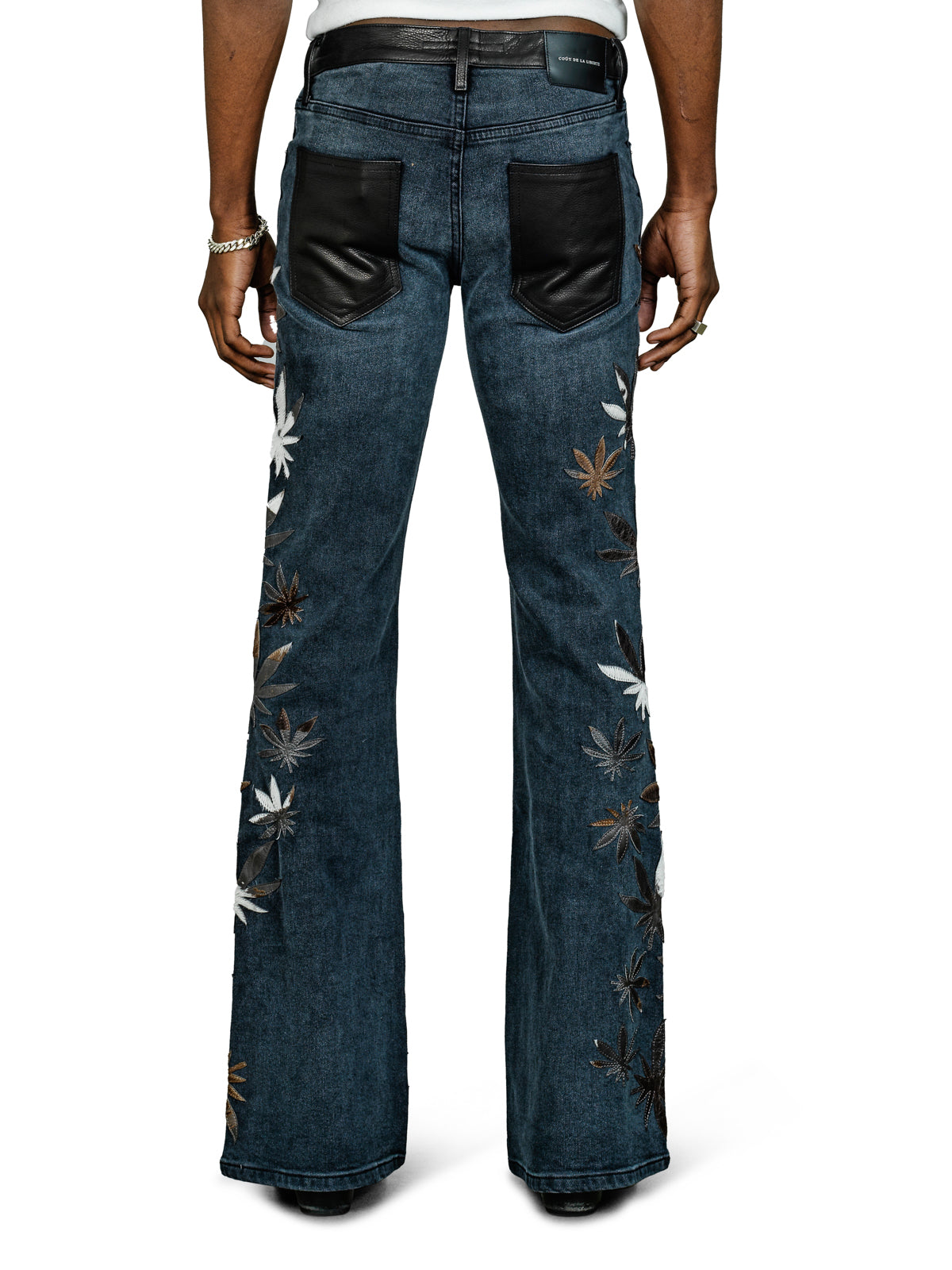
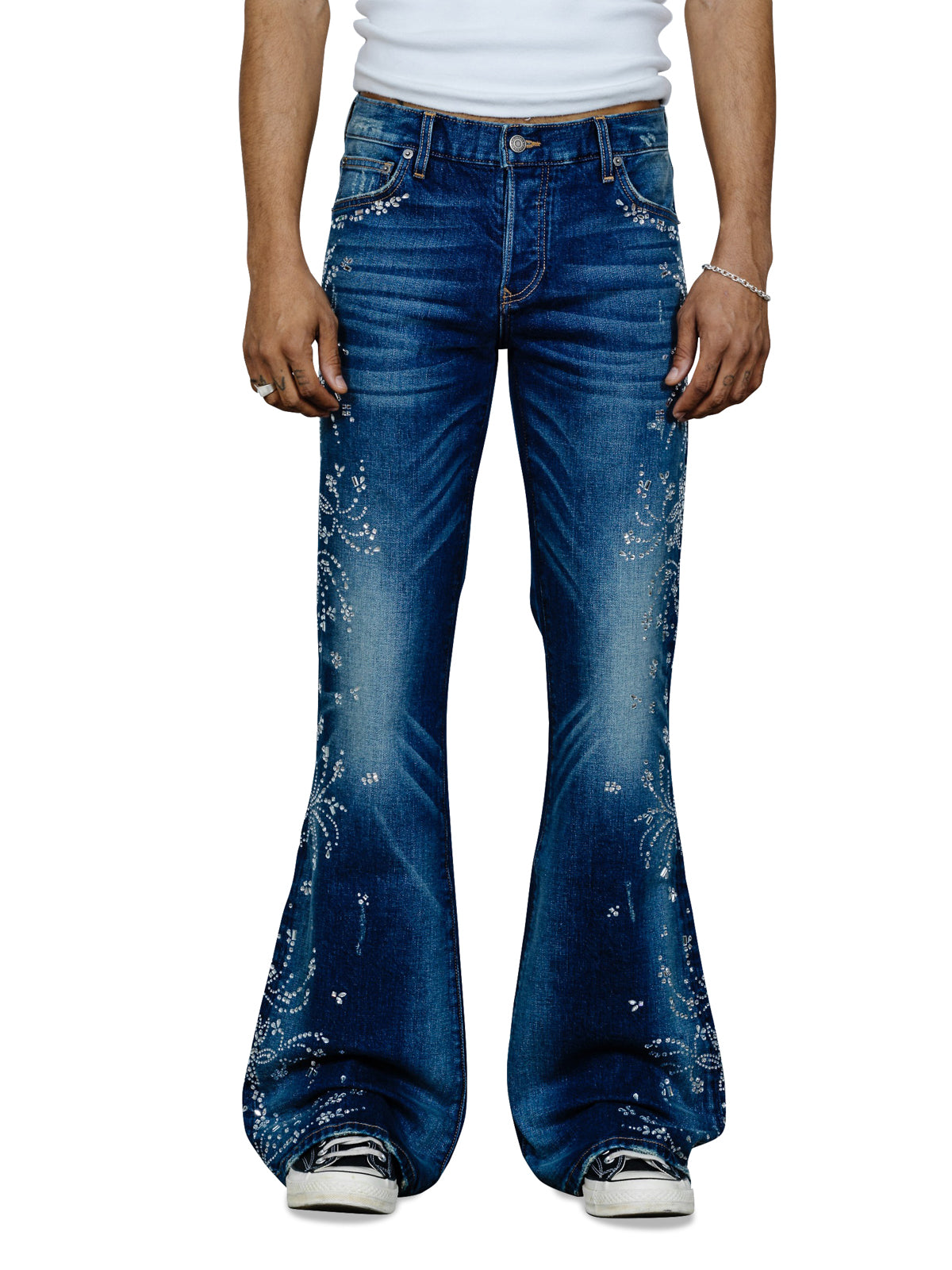
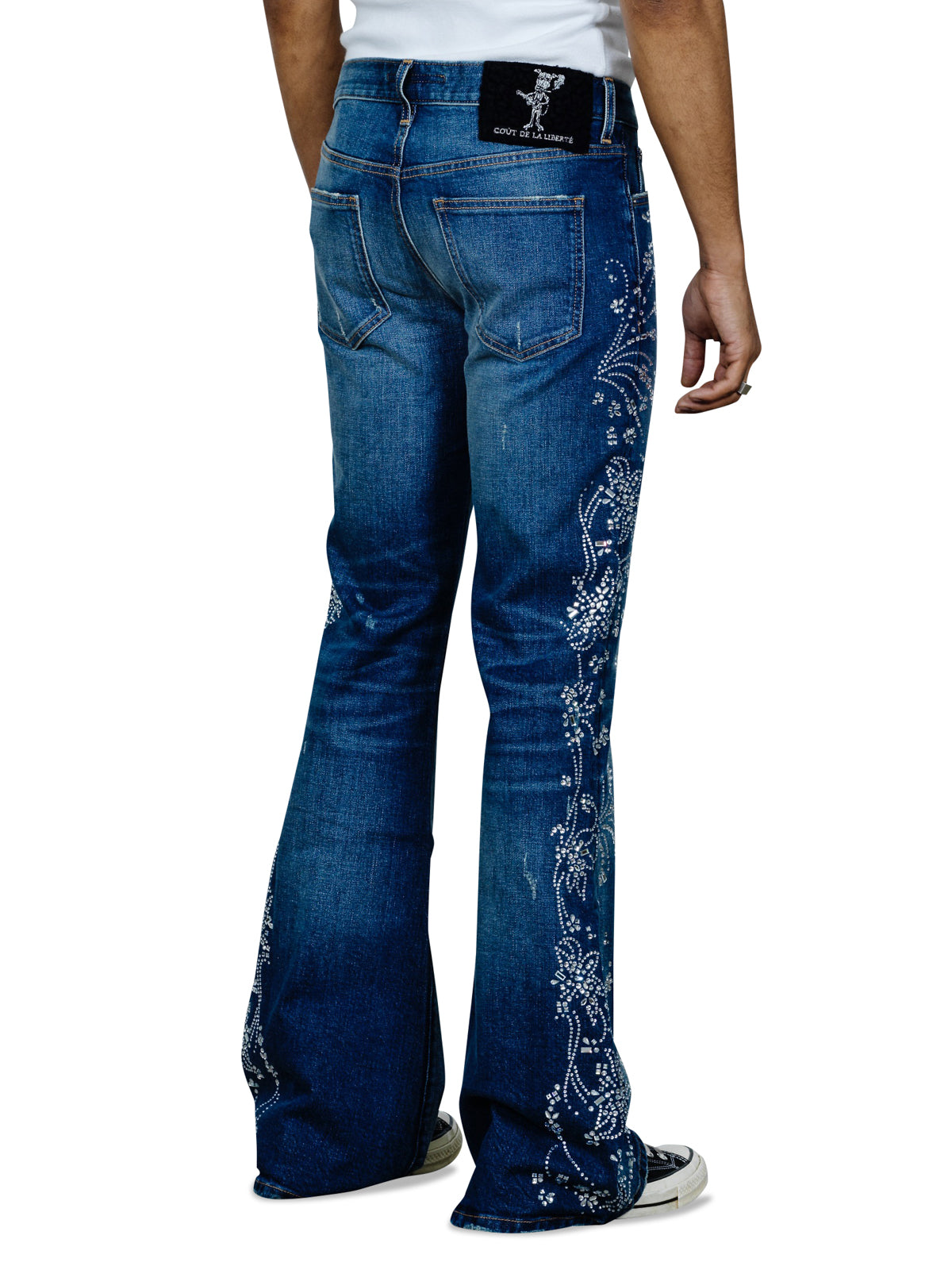
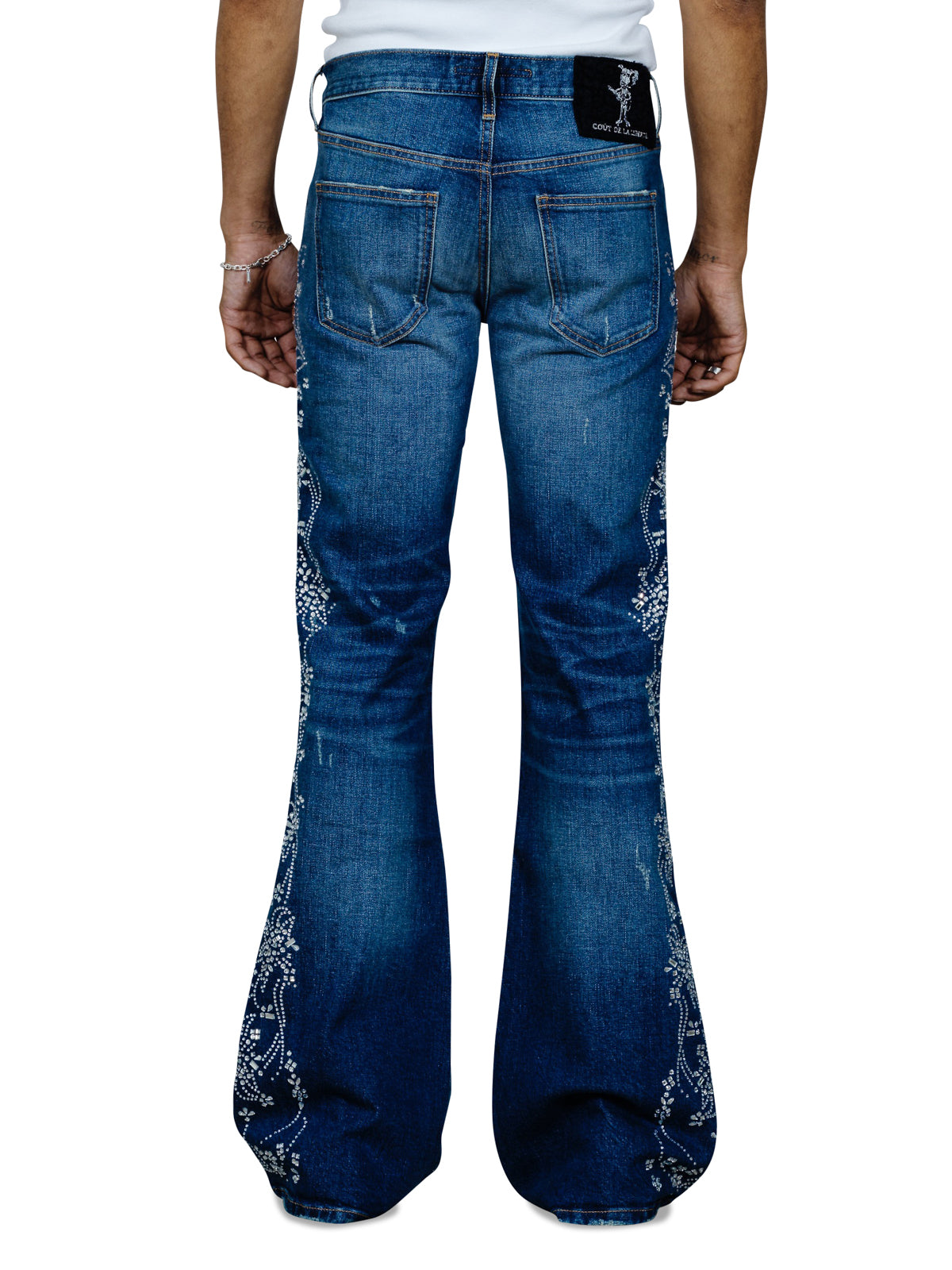

Bootcut Jeans: A True Style Icon
"Bootcut jeans live at the intersection of fashion and function, and that’s what makes them timeless."
Let’s talk bootcut jeans—the effortless, universally flattering denim silhouette that’s been a closet staple for decades. You might rock a pair to channel that laid-back 70s vibe, or maybe you’re pairing them with boots (duh) for a perfectly polished look. But have you ever stopped to wonder where bootcut jeans come from and how they’ve cemented themselves as an enduring style icon? Let’s dive in, from the humble beginnings of denim to the global journey of cotton, with a timeline that stitches it all together.
The History of Jeans: From Workwear to Fashion Statement
Jeans were born out of necessity. In the late 19th century, denim—a durable cotton twill fabric—was used to create sturdy pants for miners, cowboys, and laborers who needed clothing that could withstand hard work. Levi Strauss and Jacob Davis patented their riveted blue jeans in 1873, a game-changing moment that introduced the world to denim as we know it. These early jeans were straight-legged and rugged, designed for durability over style.
Fast forward to the mid-20th century, and denim began shedding its purely utilitarian roots. By the 1950s, jeans had become a symbol of rebellion, thanks to Hollywood heartthrobs like James Dean and Marlon Brando. Then came the 1970s—the decade when bootcut jeans truly took off.
The Rise of the Bootcut Jean
Bootcut jeans, as the name suggests, were designed to accommodate… well, boots. But their origins go back even further. The silhouette first appeared as flared sailor pants in the early 1800s, offering practicality for seafarers. By the 1960s and 70s, this functional design had evolved into a fashion statement, bridging the gap between the dramatic flare of bell-bottoms and the straight-leg jeans of earlier decades.
With a slight flare from the knee down, bootcut jeans offered a sleek yet versatile shape that worked with all kinds of footwear, from cowboy boots to platforms. By the time the 90s rolled around, the style found new life in grunge and alternative fashion, and it’s never truly gone out of style since.
Cotton: The Unsung Hero of Denim
At the heart of every pair of jeans is cotton. The story of this humble fiber is as global as it gets. Cotton farming has ancient roots, with evidence of cultivation dating back over 7,000 years in regions like India, Egypt, and the Americas. Today, the U.S. (particularly states like Texas and Mississippi), India, and China are among the largest producers of cotton used in denim production.
Once harvested, cotton undergoes an intense transformation. It’s spun into yarn, woven into durable denim fabric, dyed (traditionally with indigo), and stitched into the jeans we know and love. Each pair of jeans carries a bit of that journey, from the fields to your closet.
The Bootcut Jean Timeline
- 1800s: Sailors wear flared pants for practicality on ships, laying the groundwork for future styles.
- 1873: Levi Strauss and Jacob Davis patent riveted blue jeans.
- 1960s: Bell-bottoms and flared jeans rise in popularity, pushing denim into the fashion spotlight.
- 1970s: Bootcut jeans emerge as a more versatile, wearable alternative to exaggerated flares.
- 1990s: The bootcut silhouette experiences a resurgence, embraced by everyone from grunge rockers to suburban moms.
- 2000s: Skinny jeans dominate, but bootcut styles hold strong for their timeless appeal.
- 2020s: A new era of fashion nostalgia revives bootcut jeans, proving their staying power in the ever-evolving world of denim.
Why Bootcut Jeans Endure
What makes bootcut jeans so iconic? It’s all about balance. They’re flattering on nearly every body type, giving you a long, lean silhouette without sacrificing comfort. Plus, they’re versatile. Dress them up with heeled boots and a blazer, or keep it casual with sneakers and a graphic tee. Bootcut jeans live at the intersection of fashion and function, and that’s what makes them timeless.
At Cout De La Liberté, we’re all about celebrating the classics while pushing the boundaries of design. Bootcut jeans are a perfect example of this philosophy—grounded in history, yet endlessly adaptable. So whether you’re pulling on a vintage pair or shopping our latest collection, remember: you’re wearing a piece of fashion history.